
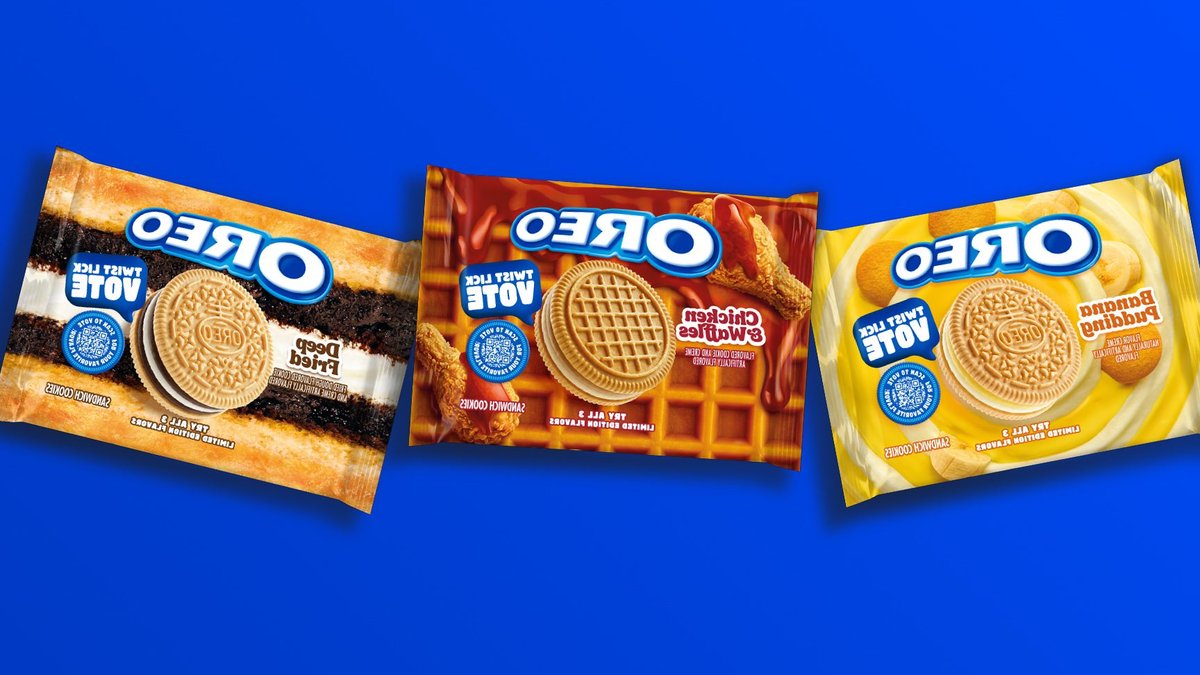
Mondelēz International continues to dominate the U.S. cookie market with the classic Oreo as its top seller, yet the company is placing major bets on limited-time flavors to sustain the brand’s momentum. Recent launches include a Selena Gomez-inspired horchata (a Spanish rice milk drink)-chocolate-cinnamon variant and a banana pudding edition, both designed to attract younger consumers while maintaining the core product’s appeal. These aren’t mere marketing stunts but a deliberate strategy to increase foot traffic, amplify social media buzz, and indirectly boost sales of the original cookie.
The development process for each limited-time offering (LTO) is resource-intensive, requiring six to twelve months from initial recipe testing through factory adjustments for new packaging colors and embossed designs. Licensing celebrity or cultural collaborations further inflates costs, while shorter production runs and specialized ingredients cut into economies of scale. A Darigold executive highlighted how these factors can compress profit margins, particularly when LTOs are priced comparably to mainstream products.
Despite the upfront expenses, the financial logic behind LTOs remains clear. They generate immediate sales surges, enhance retail visibility, and create earned media exposure that benefits the entire brand portfolio. From an ROI standpoint, an LTO is more than a new cookie—it’s a media event with a sell-through mechanism. The horchata and banana pudding flavors, for instance, align with AI-tracked viral food trends, helping Mondelēz anticipate what Generation Z will pursue next.
Read Also: Restaurants Highlight Mental Health Concerns Today
How Oreo Appeals to Every Generation
Demographic preferences play a key role in the strategy. Younger consumers crave collectible, shareable flavors tied to current trends, while millennials respond to nostalgic twists with innovative packaging. Oreo’s dual approach—preserving the classic cookie while introducing limited-edition variations, ensures broad generational appeal without alienating its loyal customer base. A VPRG Consulting CEO noted that the brand “creates fresh cultural entry points while keeping the familiar cookie at the center, giving every generation its own reason to claim the brand.”
Social media serves as the critical catalyst. A single viral tasting video from a major influencer can transform an LTO into a commercial success. Mondelēz has collaborated with artists like BTS, whose hotteok (a Korean sweet pancake)-flavored cookies became a hit, and deployed micro-influencers for hyper-targeted promotions. The strategy extends beyond direct sales, as user-generated content fuels advertising campaigns and in-store displays.
Not every LTO achieves lasting impact. Some flavors fade within weeks with minimal traction, but the most successful, such as s’mores or birthday cake varieties, generate sustained buzz. The true value lies not in the cookies themselves but in the broader ecosystem they cultivate: increased foot traffic, digital conversations, and recurring reasons for shoppers to revisit store shelves.
Beyond the Cookie: LTOs as Marketing Events
Mondelēz’s LTO-driven approach mirrors a broader evolution in snack marketing. Brands no longer depend solely on traditional advertising; instead, they use limited-edition products as marketing and sales drivers for core offerings. The Selena Gomez collaboration, for example, leverages her fanbase while reinforcing Oreo’s reputation as a brand that stays culturally relevant. Even if the horchata flavor underperforms against the classic, it keeps Oreo top of mind and on retail displays.
Read Also: Gen Z adopts sober daytime partying trend
Production challenges persist, but the long-term benefits extend well beyond immediate sales figures. Retailers prioritize LTO placements, knowing they attract customers who may also purchase classic Oreos. The strategy ensures that limited-edition flavors serve as both a marketing tool and a sales driver, converting impulse buys into habitual purchases.
AI and Trends Will Shape Future Flavors
Future flavor waves will likely emphasize digital trends even more heavily. AI-driven recipe forecasting, influencer-driven product drops, and cross-brand partnerships will shape what lands on shelves. For now, the focus remains on one core question: Can Mondelēz maintain the right balance? Overloading the lineup risks diluting the brand, while too few LTOs could cause Oreo to lose cultural relevance.
The company’s track record suggests they’re striking that balance effectively. While the classic Oreo remains untouchable in sales, the limited-edition flavors ensure the brand stays dynamic without overshadowing its foundation.


