
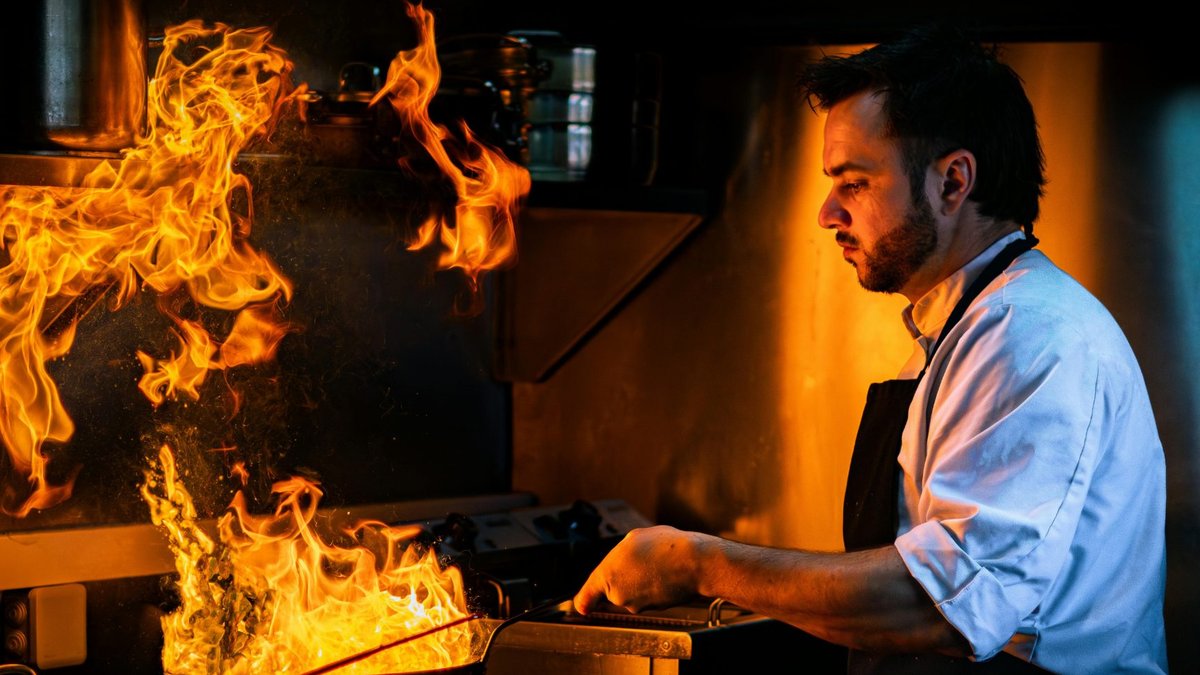
World Suicide Prevention Day, which was on September 10, highlights the need to address mental health issues in the restaurant industry. The Centers for Disease Control and Prevention (CDC) reports that male chefs and head cooks have a suicide rate of 66.5 per 100,000 workers, more than double the rate among working men overall.
The statistics are alarming, with female chefs and head cooks also experiencing higher suicide rates than their counterparts in other industries. A survey by The Burnt Chef Project found that 84% of hospitality professionals have experienced mental health issues during their careers.
Restaurant Culture and Mental Health
The pressure to perform and the culture of self-sacrifice in the restaurant industry can take a toll on workers’ mental health. Long hours, high-pressure services, and the lack of social connection can all contribute to stress and anxiety.
Chris Aquilino, VP of Workforce Development and Industry Solutions at The Culinary Institute of America, notes that the industry’s traditional management style can be detrimental to workers’ mental health. He recommends making small, culture-rooted changes to support employees, such as recognizing their strengths and accomplishments.
Aquilino also emphasizes the importance of making mental health a part of everyday conversations. By creating a safe and open environment, leaders can help reduce stigma and encourage workers to speak up about their struggles.
Read Also: Gen Z adopts sober daytime partying trend
Furthermore, the lack of social connection and sense of community in the restaurant industry can exacerbate mental health issues. Workers often miss out on important life events, such as holidays and celebrations, which can lead to feelings of isolation and disconnection. This can be particularly challenging for workers who are already struggling with mental health issues, as they may feel like they are missing out on opportunities to connect with others and build supportive relationships.
Changing the Industry’s Culture
Some restaurants are already taking steps to create a healthier culture. Viet Pham, owner of Akai Sushi-Ya & Izakaya in Oklahoma City, has implemented a coach-like management style that focuses on supporting and developing his employees’ skills.
General manager Lana Ingram credits Pham with creating a culture that is free from stress and tension. This approach has helped to improve employee well-being and reduce turnover.
The Burnt Chef Project offers free mental health resources and support to hospitality workers. By providing education, training, and services, the organization aims to help create a more supportive and inclusive industry.
In addition to these efforts, it is essential to recognize that changing the industry’s culture will require a sustained and collective effort. This can involve raising awareness about mental health issues, promoting open and honest communication, and encouraging leaders to prioritize employee well-being. By working together, the industry can create a more supportive and inclusive environment that promotes mental health and well-being for all workers.
Read Also: NFL Fans Face Soaring Ticket and Concession Prices
Supporting Employees’ Mental Health
Operators can take several steps to support their staff’s mental health, including accommodating important life events, discouraging excessive hours, and maintaining adequate staffing levels.
Training managers on employee mental health is essential. By providing them with the tools and resources they need, operators can help create a more supportive and inclusive work environment.
Aquilino notes that creating a healthier culture doesn’t require expensive new initiatives. It starts with people being people, being people to other people. By making small changes and prioritizing employee well-being, operators can help reduce stress and improve mental health in the restaurant industry.
If you or someone you know is struggling or in crisis, call or text 988 or use the 988 Lifeline’s online chat, which is free and confidential.
September 10 is a significant date.


